When
Thursday 4:30pm–5:30pm
A one-hour supportive small-group Exercise Physiology session.
Teenage Physical Activity · Chirnside Park
Not every teenager has had a positive experience with physical activity.
Some young people have found PE classes, team sports or coordination activities difficult from an early age.
They may have struggled to catch a ball, keep up with peers, balance, learn movement sequences or feel confident when everybody else seemed to know what to do.
Over time, movement can become something they would rather avoid.
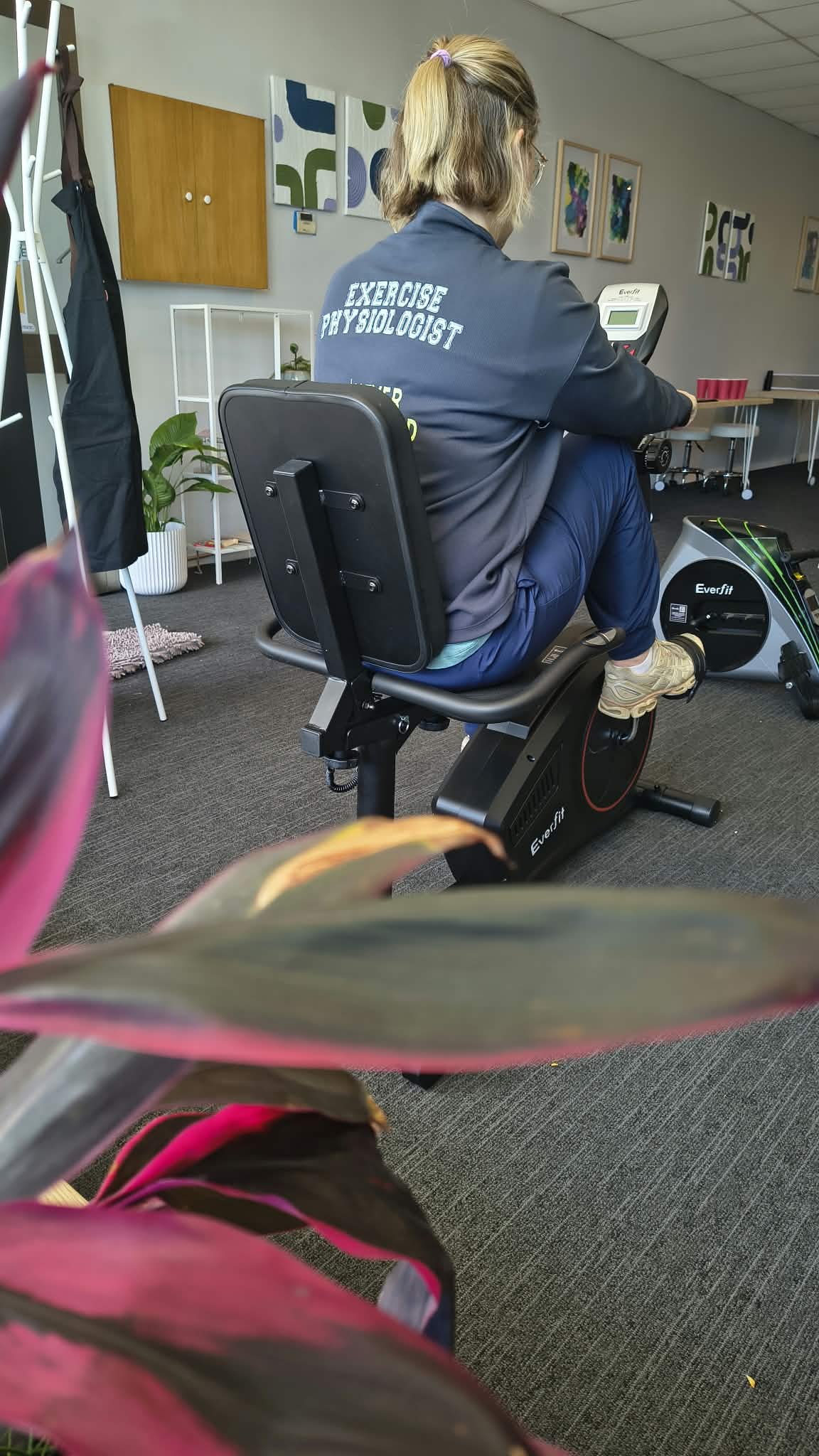
Teenage Physical Activity
When
A one-hour supportive small-group Exercise Physiology session.
Cost
NDIS funding may apply for eligible participants where the Exercise Physiology support is disability-related and linked to functional goals.
Group approach
There is no expectation that everybody will be good at the same things or move at the same level.
When movement has felt hard for years
A teenager who says “I'm just not sporty” may have spent years feeling like everybody else found movement easier.
If PE has meant being picked last, dropping the ball, struggling to learn a sequence, losing balance or worrying that somebody will laugh, it becomes much easier to stay on the phone, sit on the sidelines or avoid movement altogether.
That does not mean the teenager is lazy or incapable of becoming more physically confident.
Sometimes they simply need a different environment and a different way of learning.
What might we work on?
Practise catching, throwing, timing, reaching, stepping and whole-body movement without pressure to get it right immediately.
Build confidence with balance activities that can be adapted to suit the teenager’s current ability.
Develop useful strength gradually through resistance, bodyweight activities and movement challenges.
Practise learning sequences, changing direction, reacting and organising the body during movement.
Improve physical capacity through activities that feel more like games and challenges than traditional fitness training.
Create positive movement experiences so teenagers can begin to see themselves differently.
It does not need to look like school PE
We may use balls, targets, reaction games, throwing and catching, balance challenges, strength activities, movement sequences and small challenges that can be adjusted to suit each teenager.
Sometimes the goal might be catching a ball more confidently. Another day it might be learning how to move through a sequence, changing direction, building strength or staying active for longer.
The exercises still have a purpose, but they do not need to feel like another PE lesson.
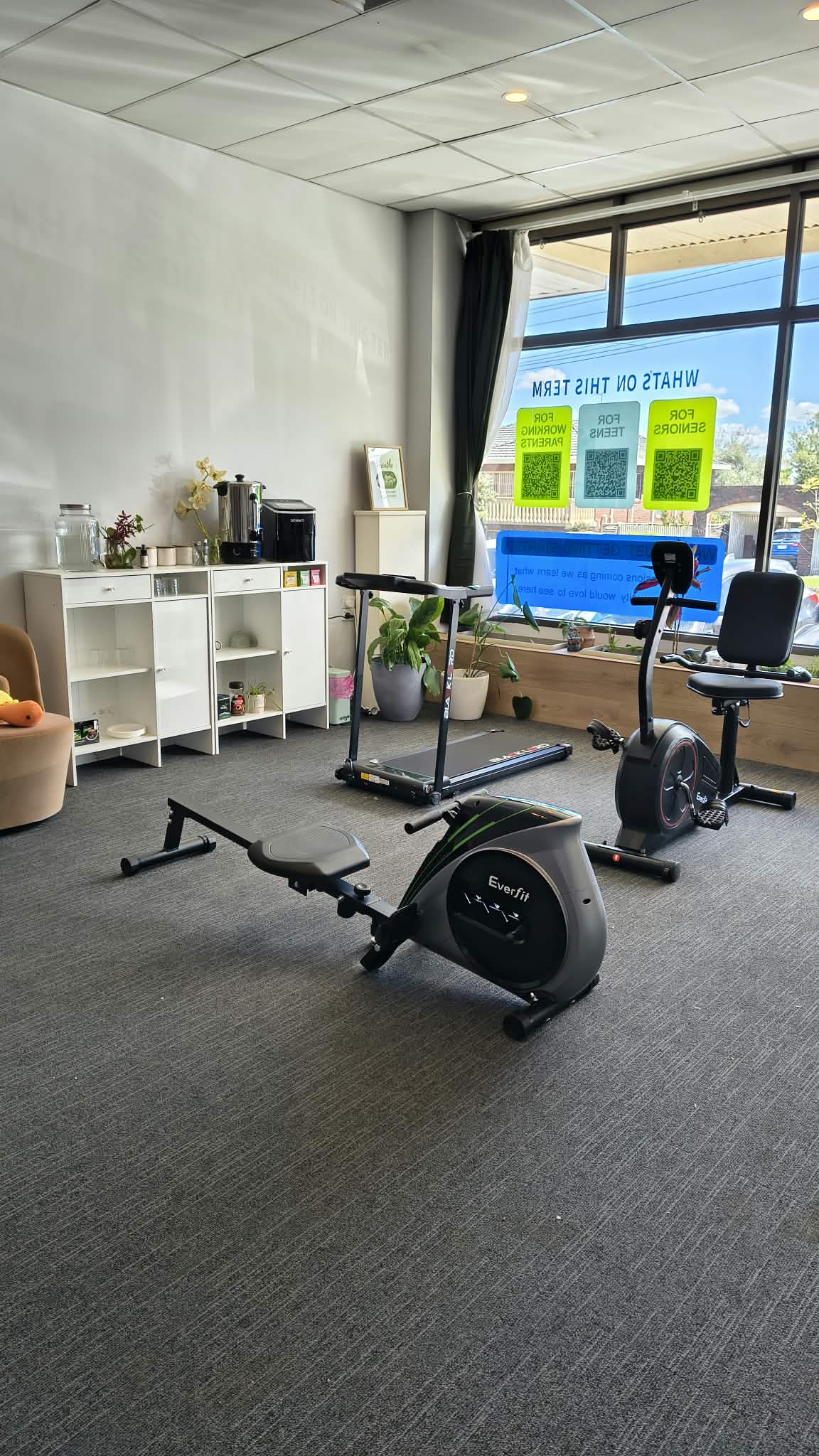
No teasing. No proving yourself.
Missing a target is allowed. Finding a balance task difficult is allowed. Needing another explanation is allowed.
The aim is to create a community where teenagers can practise things they may normally avoid because they are worried somebody will judge them.
Confidence grows through having better experiences with movement, not through being told to try harder.
Who might this suit?
They may have disliked school PE, team sport or activities where everybody could see how they performed.
Catching, throwing, balance, timing or learning new movement patterns may take them longer than their peers.
Screens, sitting out or avoiding sport may now feel safer and easier than trying movement again.
They may benefit from movement that is taught gradually without competition, teasing or pressure to perform.
NDIS + Exercise Physiology
Having an NDIS plan does not automatically mean a general physical activity group can be claimed as therapy.
When Exercise Physiology may fit
Exercise Physiology may be appropriate where the teenager's disability affects areas such as mobility, strength, balance, coordination, physical capacity, independence or participation.
The support needs to relate back to the participant's disability-related needs and goals.
What it is not
NDIS-funded Exercise Physiology should not simply be general fitness, gym membership, personal training or a social activity described as therapy.
Funding arrangements are individual and depend on the participant's plan, goals and available funding.
If you are unsure whether Exercise Physiology could be appropriate for your teenager's NDIS goals, contact me before booking and we can discuss what they need.
Robyn Papworth
Accredited Exercise Physiologist with Exercise & Sports Science Australia (ESSA)
Medicare Provider Number: 400894BY
ABN: 17 415 190 263
You can save the information sheet to your phone, print it or show it to your support coordinator, plan manager or other NDIS support team member.
The goal
We are trying to help them feel more capable in their own body.
That might mean joining in more comfortably at school, trying a recreational activity, walking further, feeling less embarrassed about catching and throwing, or simply discovering that moving can actually be enjoyable.
There is no single version of success.
Teenage Exercise Physiology in Chirnside Park
Never Too Old to Play is located at:
7 Meadowgate Drive
Chirnside Park VIC 3116
Families are welcome from Lilydale, Mooroolbark, Croydon, Kilsyth, Mount Evelyn, Montrose and surrounding Yarra Ranges and Maroondah areas.
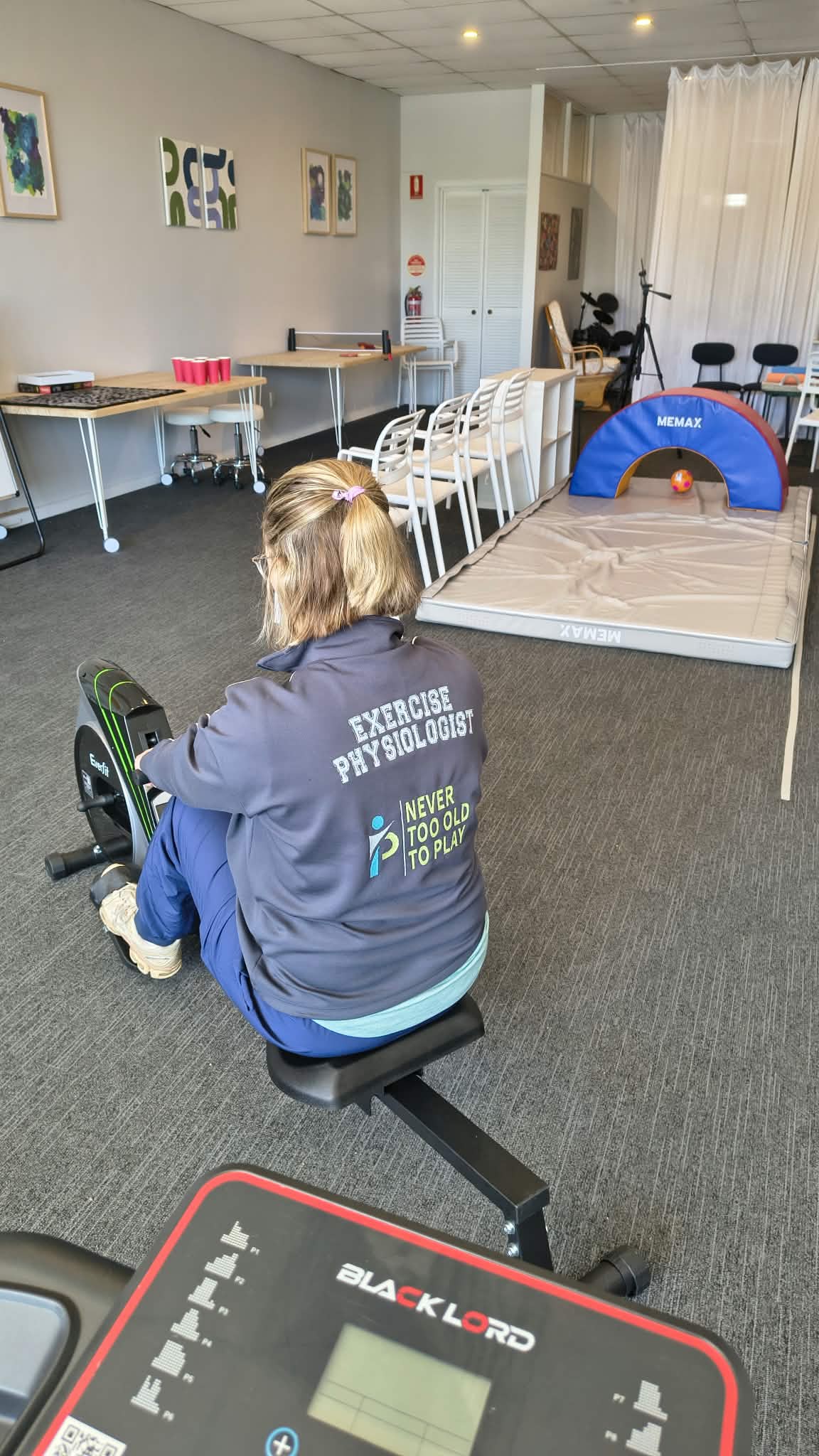
Not sure whether Teenage Physical Activity would suit your teenager? Ask me.
You are welcome to tell me a little about your teenager before deciding whether the group feels right for them.
That is the change I want teenagers to experience here.